Risk Assessment: Decoding Homeowners Insurance Policies
Decode standard homeowners insurance policies (HO-3) and understand the critical financial difference between insuring for Actual Cash Value (ACV) versus Replacement Cost.
4/14/20261 min read
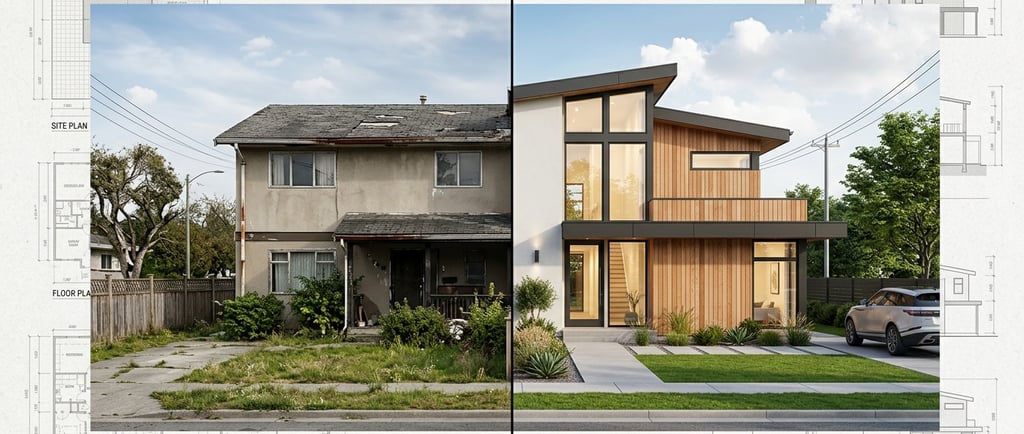
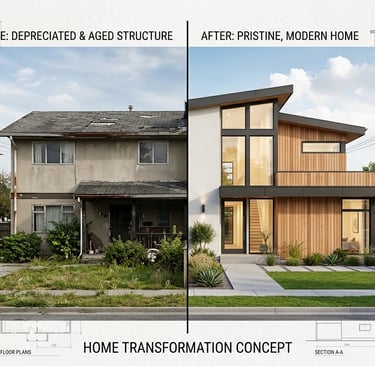
A standard US homeowners insurance policy (often designated as HO-3) is divided into distinct coverage parameters. Dwelling Coverage protects the physical structure against perils like fire or windstorms. Personal Property protects the contents within. However, policyholders must logically distinguish between "Actual Cash Value" (ACV) and "Replacement Cost." ACV factors in depreciation, meaning a payout for a 10-year-old roof will only cover its current, depreciated value. Replacement Cost covers the actual expense of replacing the roof at today's market rates. While Replacement Cost carries a higher premium, it is the only rational choice to ensure true risk mitigation and prevent catastrophic out-of-pocket expenses during a total loss.
TrustVise
456 Corporate Boulevard, Suite 250, Los Angeles, CA 90012, USA
Contact
Newsletter
info@trustvise.com
+1 (800) 555 - 0142
© 2024. All rights reserved.